
Table of Contents
//A court case can change a person’s life in a matter of days. Yet the causes behind that case often took years to build. Mental health struggles, drug use, unstable housing, and job loss can all play a part. Kansas City Wellness Court takes a different approach to these problems. The program connects eligible people with treatment, court oversight, and support. Its goal goes beyond punishment. It helps people build the habits and skills needed for a better life. That matters for families, neighborhoods, and Kansas City as a whole.
What Makes Wellness Courts Different?
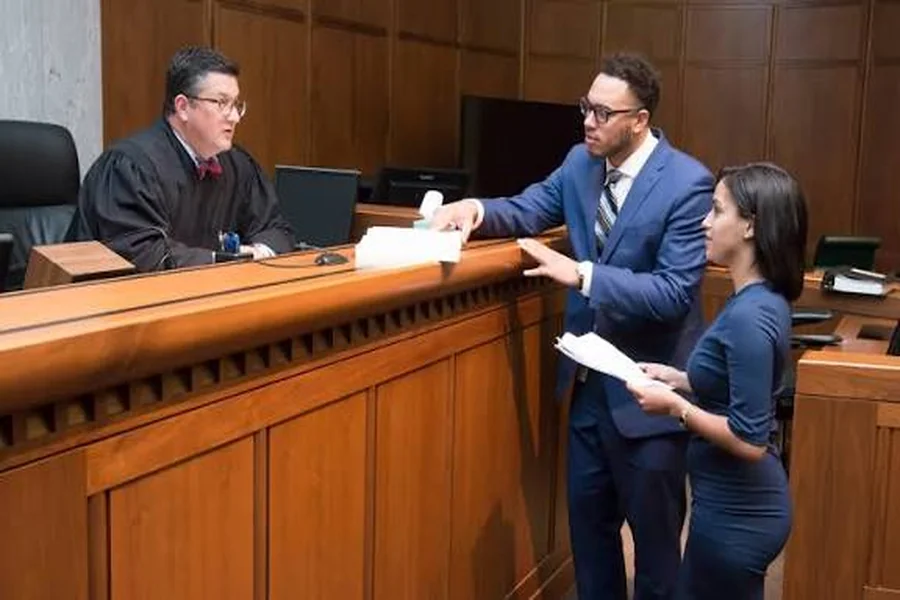
Traditional court cases often focus on the charge and the penalty. Specialty courts look at the problems that may sit behind the charge. Kansas City Wellness Court serves people with both mental health and substance use needs. It combines the former Drug Court and Mental Health Court programs. The court uses a structured plan with several stages. Participants receive treatment and must meet court requirements along the way. This isn’t a free pass. Far from it. People must show up, follow their plans, attend treatment, and meet set goals. The court checks progress through regular reviews. That mix of support and accountability can make a real difference.
Treatment Comes Before a Fresh Start
Recovery doesn’t happen because someone signs a court form. It takes time, support, and daily work. Wellness Court helps participants deal with substance use and mental health needs. Treatment can give them tools to handle stress, cravings, anger, and other hard moments. These skills matter long after a court date ends. A person might learn how to spot warning signs before a relapse. They may learn better ways to deal with stress or conflict. Small changes can add up. One missed appointment may seem minor. A string of missed appointments can lead someone back into old habits. Wellness Court aims to break that cycle before it grows.
Stable Housing Can Change Everything
Where someone lives can affect nearly every part of recovery. A safe home makes it easier to attend treatment and keep a job. It can also reduce contact with people or places tied to past drug use. Wellness Court includes stable housing among its goals for participants. This part can get overlooked. People sometimes talk about court programs as if treatment happens in a vacuum. It doesn’t. Someone can’t focus well on recovery while worrying about where they’ll sleep tonight. Community support can help fill that gap.
Work, School, and Purpose Matter Too
Returning to productive life means more than staying out of court. People need purpose. They need income, routine, and something worth getting up for each morning. Wellness Court includes goals tied to employment, school, volunteering, or day treatment. These goals help participants build a daily routine without going through the legal practice process. Work can also bring a sense of pride and independence. For someone who has been out of work for months, that first steady paycheck can mean more than money. It can feel like proof that life is moving again. School can offer the same sense of direction. The road isn’t always straight. That’s okay. Progress can have a few rough patches.
Community Support Fills the Gaps
Court programs can provide structure, but people still face everyday problems. Maybe a participant needs a ride to treatment. Maybe they need help finding housing. Perhaps they need medical care or job support. These issues may sound small. They aren’t always small. Beyond the Bench KC supports awareness and community support for the rehabilitative mission of Kansas City’s Specialty Courts. Its work reflects a simple belief: justice should address the causes of harmful behavior and support lasting change. People looking for more information can learn about Kansas City Specialty Courts and related community support through Beyond the Bench KC.
Accountability Still Matters
A common misunderstanding is that treatment means people aren’t held responsible. Wellness Court shows why that isn’t true. Participants must follow court rules and complete their treatment plans. They face regular reviews and must meet program goals. The court keeps track of progress. That creates a balance. Participants receive help, but they also have duties. Think of it like learning to ride a bike again after a long break. Someone may hold the seat at first. The rider still has to pedal.
The Program Has Clear Steps
Wellness Court uses four main phases:
- Orientation
- Stabilization
- Community Reintegration
- Maintenance
Each phase gives participants different goals to meet. The program also has graduation requirements. These include completing treatment goals and following the Wellness Court contract. Participants must remain free from alcohol and drugs for at least 180 days. Stable housing is another requirement. They also need employment, school, volunteering, or day treatment. These standards help show whether someone is ready to continue without the same level of court support.
A Different Kind of Success
Success isn’t just whether or not a person gets another charge. It can appear like getting up on time. Being employed. Going to therapy. Rent. Reestablish family trust. Sometimes success is fairly mundane. That’s the point, really. Productive lives are developed via regular choices made again and again. The Kansas City Wellness Court provides eligible participants with a framework for making those choices. It links court monitoring to treatment and community help. For some, that combination can offer a real chance to reverse direction.
Frequently Asked Questions
1. The primary purpose of Kansas City Wellness Court is to?
The primary purpose is to meet the mental health and substance use requirements of eligible Municipal Court participants. The program has treatment, court oversight and personal goals. The aim is to eliminate dangerous behavior and assist individuals develop more secure lives.
2. Does Wellness Court assist individuals get jobs?
The program’s stability aims include employment. Participants may be working toward a job, school, volunteering or day treatment. Having a routine might assist a person regain their independence and help in their recovery.
3. Does Wellness Court assist with housing?
Housing stability is one of the program’s aims upon completion. Community resources may also be helpful for persons with housing needs. A secure living environment might make it simpler to manage treatment and daily chores.
4. Do you still have to follow court rules?
Yes. The Wellness Court demands responsibility. Participants are obliged to adhere to treatment regimens, mandated services, court requirements and advancement through the phases of the program. Support does not mean absolving responsibility.
5. What does Beyond the Bench KC do to assist Wellness Court?
Beyond the Bench KC raises awareness and community support for Kansas City’s Specialty Courts. Its purpose is focused on the rehabilitative side of justice and treating the core causes of harmful behavior. The group also promotes resources that might help participants move toward sustainable positive transformation.