

A Familiar Format, Still Going Strong
For a long time, "girls' night" or "guys' night" had a fairly predictable shape: a bottle or two of wine, some takeout, a movie or a group chat's worth of gossip. That format still exists and still works for plenty of people. But alongside it, a newer version has emerged — the wellness night — and it's worth paying attention to because of what it reveals about how people want to spend their downtime with friends.
What the Wellness Night Swaps Out
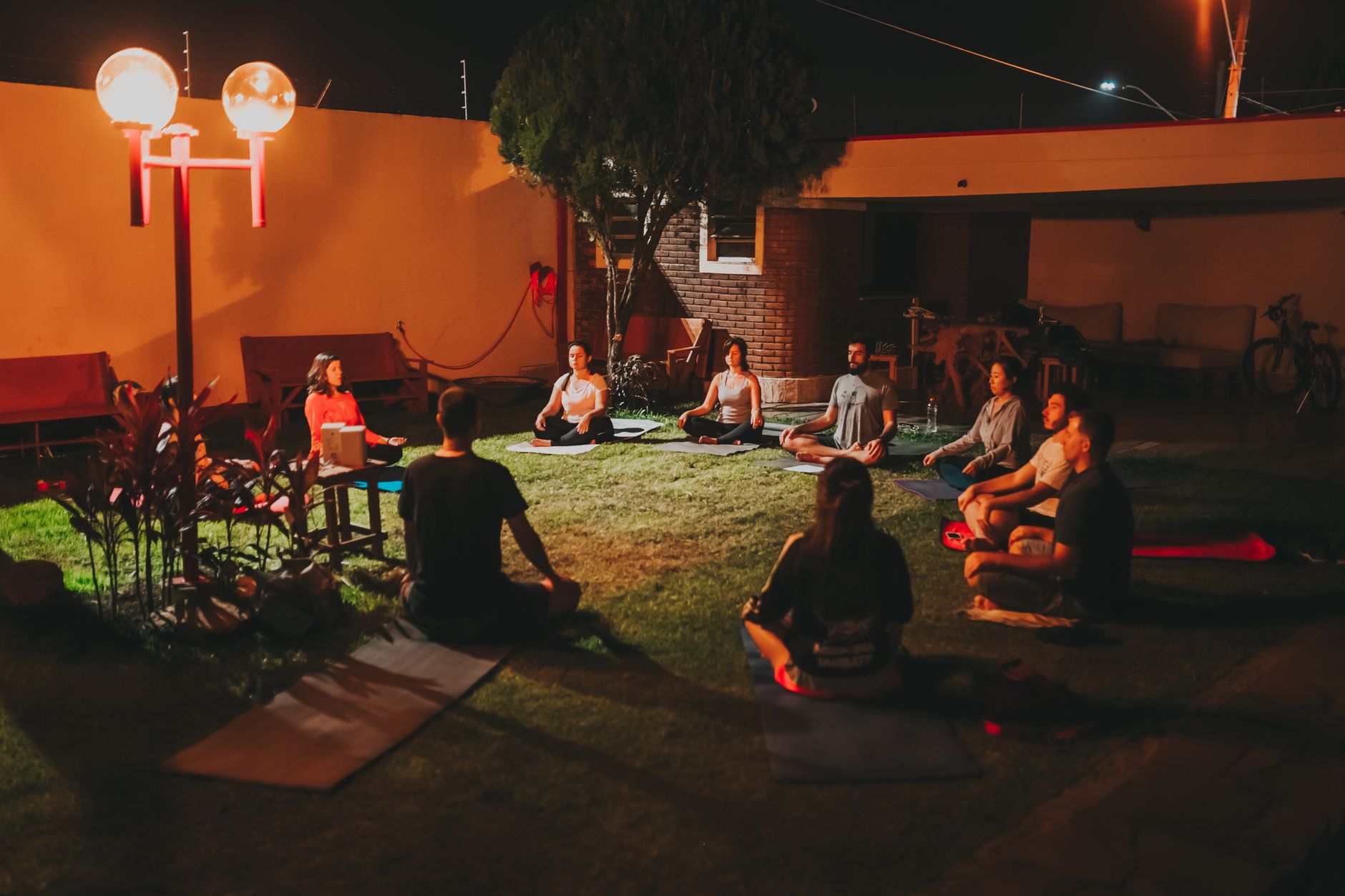
A wellness-oriented gathering tends to swap a few specific things out. Instead of a bottle of red, there might be a pot of tea, a pitcher of infused water, or a lighter selection that includes cannabis drinks. Instead of takeout, there's sometimes a shared cooking activity — a group making dumplings together, or assembling a big salad from ingredients everyone brought. The through-line is participation over consumption; people want to do something together, not just consume something together.
Expansion, Not Rejection
This isn't really an anti-wine-night movement so much as an expansion of the format. Most people who host wellness nights still enjoy a glass of wine on other occasions. What's changed is the recognition that a get-together doesn't need alcohol as its organizing principle to feel worthwhile. A face mask and a good conversation can carry an evening just as well as a bottle of pinot, and for a lot of people, it does so without the next-day cost.
New Activities, Lower Cost
The activities themselves have diversified too. Journaling circles, informal book clubs, slow-paced game nights, even group workouts followed by a shared meal — all of these have become legitimate alternatives to the standard bar-and-restaurant circuit, especially among people who are trying to be more deliberate about how their social time affects their energy the next day. There's also a simple logistical upside: wellness nights are often cheaper and easier to host regularly, since they don't require a full bar setup or a restaurant reservation, just a living room and some intention.
The Same Need, a Different Vehicle
What ties both formats together, wine night and wellness night alike, is the underlying need they're serving: consistent, low-stakes time with people you actually like. The specific vehicle — a shared bottle, a shared pot of tea, a shared activity — matters less than the fact that the evening was set aside on purpose. In a culture that often treats socializing as something that happens if there's time left over, deliberately scheduling a recurring night with friends, whatever's on the table, has become its own small act of self-care.
The evolution here isn't really about drinks at all, even though drinks are often the most visible symbol of the change. It's about people getting more thoughtful about the shape of their downtime — recognizing that a gathering can be restorative or draining depending on how it's built, and choosing, more often than they used to, to build it in a way that leaves them better off the next morning than the night before.