
Table of Contents
//A tragic case is drawing national attention after a Tesla self-driving car kills woman in Texas while she sat inside her own home. The crash has raised urgent questions about the safety of driver-assist technology and who bears responsibility when it fails.
What Happened in the Fatal Crash
On a Friday evening in June 2026, a Tesla Model 3 left a residential roadway and struck a family home at approximately 73 miles per hour. Inside, a 76-year-old grandmother was fatally injured.
The driver told authorities he had been using an automated driving assistance system at the time. That claim quickly became the center of a growing legal and regulatory storm.
The Victim
The woman killed was a mother and grandmother who was inside her own residence when the vehicle crashed through the front wall. She was not on the road. She was not a driver.
Her daughter and son-in-law were also inside at the time and suffered injuries. The family’s home was left uninhabitable, forcing them into temporary housing while grieving their loss.
Investigations Into Tesla’s Autopilot System
Multiple agencies opened formal investigations into the crash, including federal transportation safety regulators. Investigators are examining vehicle data, software logs, and sensor recordings to determine what caused the Tesla to leave the roadway.
Key Evidence Under Review
Investigators are focused on several critical data points as they piece together what happened before impact.
- Event data recorder logs showing speed, braking, and steering inputs
- The software and firmware version running at the time of the crash
- Camera and sensor data capturing what the vehicle detected
- Whether any driver-monitoring alerts were issued
Tesla has stated that the driver pressed the accelerator to 100 percent immediately before the crash, reaching a speed far beyond what is safe on a residential street. The company argues this input overrode its self-driving software. The victim’s family disputes this account, and the investigation remains ongoing.
Understanding Tesla’s Self-Driving Technology
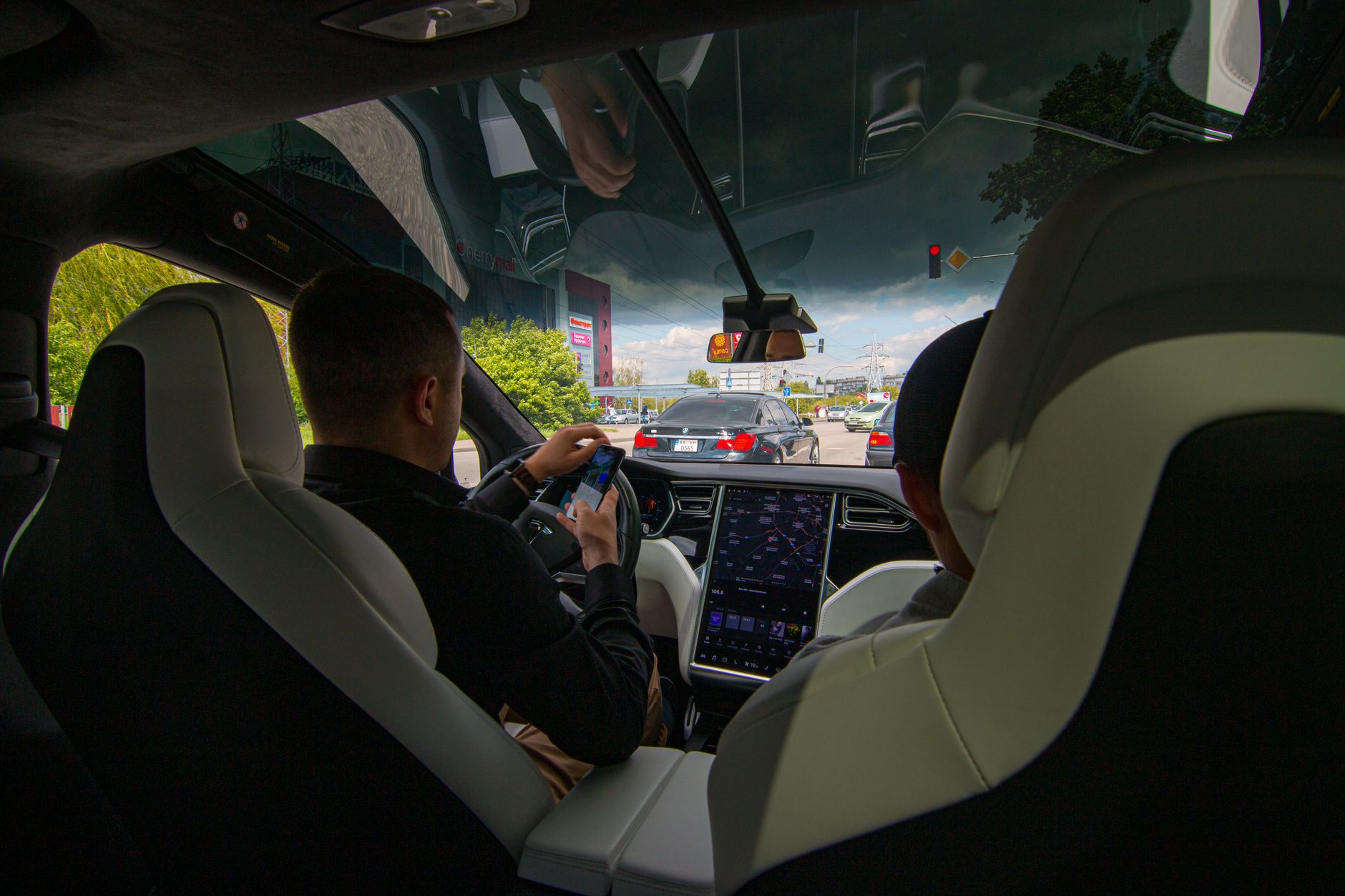
Tesla markets its driver-assistance features as “Autopilot” and “Full Self-Driving,” but neither system is fully autonomous. Federal regulators classify these systems as Level 2 driver-assistance technology, meaning a human driver must remain alert and ready to take control at all times.
Critics argue that Tesla’s branding misleads consumers into believing the vehicles can drive themselves. This gap between marketing language and technical reality has fueled numerous lawsuits and regulatory scrutiny nationwide.
Known Safety Concerns
Tesla’s automated driving systems have faced repeated criticism over several recurring issues.
- Difficulty detecting stationary objects, sharp curves, and the ends of roadways
- Driver-monitoring systems that can be bypassed, allowing inattentiveness
- Millions of vehicles recalled in recent years over driver attention concerns
Under product liability law, a manufacturer can be held responsible when its technology is defectively designed or marketed in a way that encourages consumers to over-reliance on incomplete automation.
The Wrongful Death Lawsuit
The victim’s family filed a wrongful death and survival lawsuit against both Tesla and the driver, seeking more than $1 million in damages. The lawsuit alleges the vehicle’s self-driving systems were defective and failed to detect the hazard ahead.
Key allegations include claims that Tesla knew of prior issues with its Autopilot and Full Self-Driving systems through earlier investigations and recalls, yet failed to adequately warn the public. The suit also alleges the driver was negligent in relying on the system without maintaining attention.
There is precedent for this kind of accountability. In 2025, a jury found Tesla partly responsible for a separate fatal crash, awarding $329 million in combined compensatory and punitive damages. That verdict showed juries are willing to hold manufacturers accountable when evidence points to a defective product.
Why This Case Matters Beyond Texas
While this crash occurred in Texas, the legal principles at stake are not limited to one state. Similar Tesla and self-driving crash cases arise wherever these vehicles are on the road, including throughout California.
Under California’s strict liability standard, an injured person does not need to prove the manufacturer acted negligently. They only need to show the product was defective and that the defect caused the injury. This protection applies whether the victim was a driver, a pedestrian, or someone struck inside their own home.
Steps to Take After a Similar Crash
Anyone involved in a crash with a vehicle operating in autopilot or driver-assist mode should act quickly to protect their rights.
- Seek emergency medical care immediately, even for injuries that seem minor.
- Document the scene, including vehicle damage and any visible technology displays.
- Collect witness names and contact information.
- Avoid relying solely on the driver’s or manufacturer’s account of events.
- Preserve vehicle data before it can be lost or overwritten.
- Understand the applicable statute of limitations for filing a claim.
How an Experienced Attorney Can Help
Cases involving self-driving and driver-assist technology are highly technical. They require early legal action from a local law firm to preserve vehicle data before it disappears, along with expert analysis of software behavior, sensor performance, and vehicle dynamics.
An experienced car accident attorney can send legal preservation demands to protect critical evidence, consult with automotive and software experts, and compare the facts of a case to prior manufacturer investigations and recalls. This groundwork often makes the difference between a claim that stalls and one that succeeds.
If you or a loved one has been hurt by a Tesla or any vehicle operating in autopilot mode, time matters. Working with a knowledgeable attorney early can help preserve evidence, clarify liability between the driver and manufacturer, and pursue full compensation for medical bills, property damage, and the emotional toll of a preventable tragedy.