
Table of Contents
//What is low blood pressure is a question many ask, immediately after the reading appears even lower than it ought to be as a result of a regular health check-up. The force of blood against the walls of your arteries as your heart pumps is called blood pressure. Although an increased blood pressure has been considered more due to its association with heart disease and stroke, low blood pressure may impact on your health in some instances as well.
In other individuals, low blood pressure is just normal and does not result in signs and symptoms. Some might feel dizzy, weak, and fainting or feel fatigued, particularly when due to sudden drop in blood pressure. It is good to know the meaning of low blood pressure, its causes and how it can be treated to ensure good health.
This handbook covers the fundamentals of low blood pressure, its effects, its potential causes, the treatment procedure, and the simplest alterations in lifestyle that would assist in avoiding the issues.
What Is Low Blood Pressure?
Low blood pressure or hypotension is a condition when blood pressure is comparatively below the normal range of the majority of adults.
Two numbers are used to measure blood pressure. The pressure at the time the heart contracts is termed the first number that is referred to as systolic pressure. The second figure is the diastolic pressure which is a measurement of the pressure during relaxation of the heart after every beat.
Generally, low blood pressure is believed to be less than 90/60 mmHg. But there is no particular number that characterizes hypotension in all the individuals.
There are healthy persons who would have naturally low blood pressure levels all through their lives without suffering any health related issue. Treatment is not necessary in such situations.
Low blood pressure is a problem when it gives signs or cuts off blood to vital body parts like the brain, heart or kidney.
Not only the blood pressure reading itself is the cause of the severity but the feeling of a person and whether he or she felt his drop or not.
Common Symptoms of Low Blood Pressure
The symptoms are different with each individual.
A person can never suspect that he has low blood pressure until it is measured in a medical check.
Others might feel dizziness especially when they are standing up suddenly, after sitting or lying down.
Another frequent symptom is lightheadedness in that the low blood flow temporarily impairs the brain.
When the body tissues lack adequate oxygen-rich blood, the body may get fatigued.
Sometimes blurred vision is a side effect of sudden decreased blood pressure.
Others experience some weak, unsteady or unusually tiredness during the day.
Fainting can be experienced when the blood pressure drops drastically and can temporarily decrease blood flow in the brain.
In more severe cases, cold, clammy skin, nausea, inability to concentrate, or confusion may also happen.
In addition to low blood pressure, the presence of chest pain, difficulty in breathing, extreme confusion, or recurring fainting can be of particular importance as far as immediate medical care is concerned as these symptoms can be the signs of a severe underlying diagnosis.
What Causes Low Blood Pressure?
Hypotension may have a great number of causes.
One of the most prevalent causes is dehydration. The loss of excessive water in the body by sweating, vomiting, diarrhea, or lack of enough water causes blood volume and consequent drop in blood pressure.
Some drugs are also contributory. Medications to lower blood pressure sometimes cause too low of blood pressure in some people and include high blood pressure treatment, depression, Parkinson, and heart diseases.
Problems of the heart like slow heart beat, heart valve sickness or heart failure may cause the heart to lose its pumping capacities.
The blood pressure can also be impacted by hormonal diseases where the thyroid, adrenal gland or diabetes are involved.
Severe loss of blood because of an injury or internal hemorrhage leads to a decrease in the volume of blood and the imminent decrease of blood pressure.
Nutritional deficiencies such as vitamin B12, folate or iron could be contributory factors since they lowered the capacity of the body of producing healthy red blood cells.
Changes in the circulatory system during pregnancy are natural and with pregnancy, blood pressure tends to decrease during the first and the second trimesters and returns to normal level after birth.
Infectious or allergic reactions can also result in mortal low blood pressure which needs prompt emergency medical care.

Diagnosis and Treatment Options
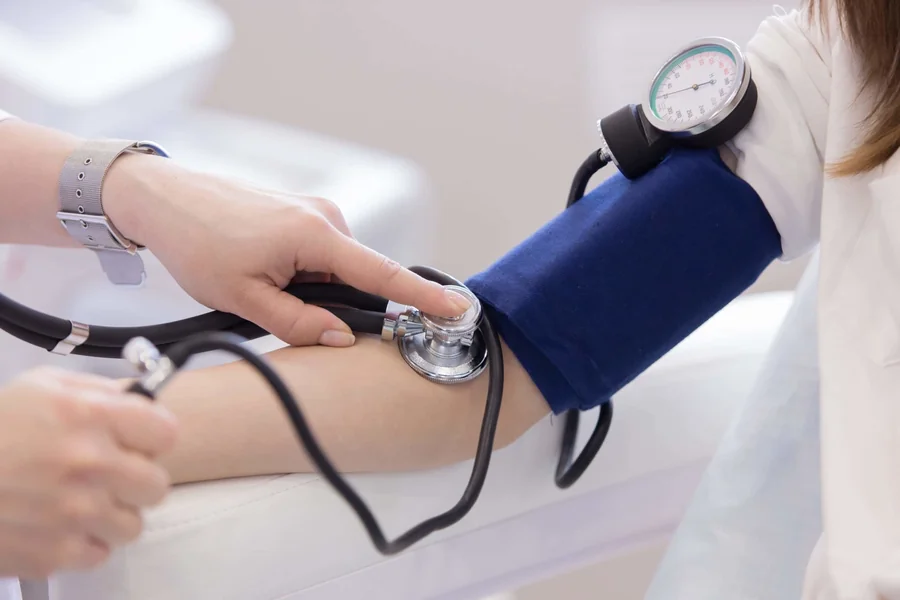
The low blood pressure diagnosis commences with measurement of blood pressure in an appropriately set blood pressure monitor.
Medical practitioners normally put into consideration the symptoms, medical history, current drugs, and the findings of physical examination among the blood pressure level.
Additional tests can be suggested basing on the suspected cause.
Anemia, infections, blood sugar abnormalities or nutritional deficiencies can be detected through blood tests.
Electrocardiograms check the heart rhythm, whereas echocardiograms check the heart structure and functioning.
A tilt table test is done on some individuals who experience dizziness or fainting occurring when they change position.
The management is wholly dependent on the cause.
In case it is caused by dehydration, improvement in symptoms is often achieved with the help of fluid intake.
Prescription drugs are known to cause low blood pressure; this may require some adjustments on the medication.
Sometimes compression stockings can be used to aid the circulation of blood in individuals who have orthostatic hypotension, whereby the blood pressure is lowered following an upright position.
Under some circumstances, physicians can prescribe drugs that can raise blood pressure in particular situations when lifestyle interventions will not suffice.
The best long-term treatment of any underlying condition is its management.
Lifestyle Tips to Help Manage Low Blood Pressure
Symptoms of low blood pressure are usually abated through healthy lifestyle practices.
Water consumption during the day will keep blood sufficiently pumped up.
A gradual rise in standing up after sitting or lying down allows the body time to normalize blood pressure.
Small, frequent meals can help decrease blood pressure drops experienced occasionally after big meals.
Increased physical exercise promotes a good circulation and cardiovascular activity.
Avoiding alcohol excesses would also be beneficial since alcohol will lead to dehydration.
It is particularly important to be cool in hot weather and drink more fluids.
The diet of others can be a little salt but this must be done under the supervision of a healthcare provider since sodium is not suitable to all individuals.
Compression stocking could help an individual improve blood flow where it pools in the legs.
Regular medical checkups and symptom monitoring are useful in ensuring proper management in the long-run.
Final Thought
The reason why it is important to understand whats low blood pressure is that not all low blood pressure readings would mean that there is a medical issue. A large number of healthy people tend to have lower readings without any symptoms and complications. Nonetheless, where the dizziness, fainting, weakness, or any other alarming symptoms are caused by low blood pressure, it is crucial to find out the cause of the problem.
Hypotension can be successfully treated with proper hydration, healthy lifestyle choices, frequent check-ups, and proper treatment. Because low blood pressure can be a consequence of drugs, dehydration, heart diseases, or hormonal diseases; or other conditions, it should be evaluated by professionals in cases of symptoms that are persistent or acute.
When dizziness, syncope occurs again and again, chest pain or dyspnea, seek medical care. The early diagnosis and treatment can minimize the risk of complications, as well as promote health and wellness in the long term.
FAQs
What is considered low blood pressure?
A blood pressure reading below 90/60 mmHg is generally considered low, although some people naturally have lower readings without symptoms.
Is low blood pressure dangerous?
Not always. It becomes a concern when it causes symptoms such as dizziness, fainting, or signs that organs are not receiving enough blood flow.
What are the most common symptoms of low blood pressure?
Common symptoms include dizziness, lightheadedness, fatigue, blurred vision, weakness, nausea, and fainting.
Can dehydration cause low blood pressure?
Yes. Dehydration reduces blood volume, which can lower blood pressure and cause dizziness or weakness.
How is low blood pressure treated?
Treatment depends on the cause and may include increasing fluids, adjusting medications, treating underlying conditions, wearing compression stockings, or prescribed medication in some cases.
Can low blood pressure be prevented?
Staying hydrated, standing up slowly, eating balanced meals, exercising regularly, and following your healthcare provider’s advice can help reduce symptoms.
When should I see a doctor for low blood pressure?
You should seek medical advice if you experience repeated dizziness, fainting, chest pain, confusion, difficulty breathing, or persistent symptoms that interfere with daily life.