

Table of Contents
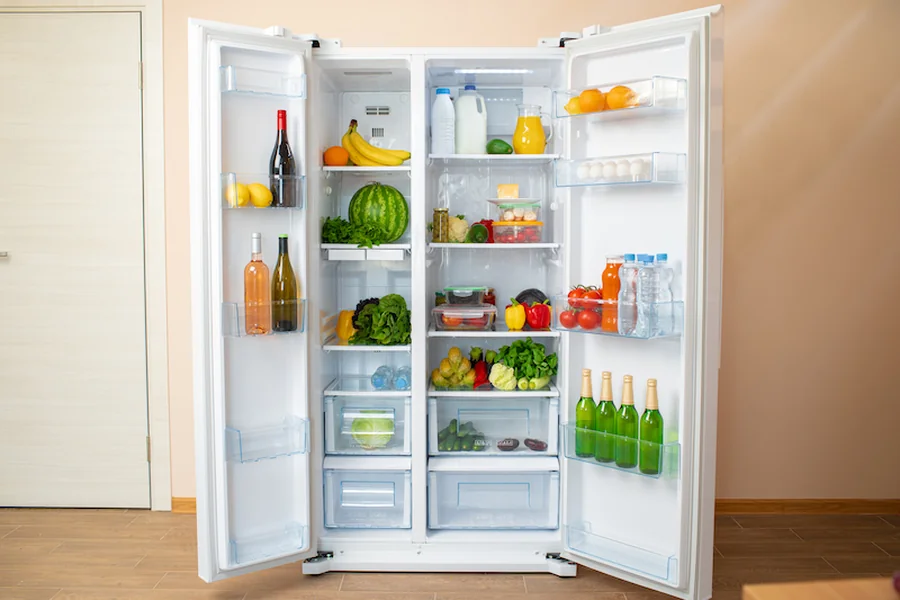
//It can be costly at times to maintain your refrigerator with fresh and useful foods particularly when grocery prices keep on increasing. But now that we know how to Stock Your Fridge On A Budget, you will be provided with the means to save money and still get to enjoy healthy and fulfilling meals. The key here does not lie in purchasing the most inexpensive items in the market but in making considerate decisions that are able to cut down on waste, maximize your grocery budget and offer flexibility during the week.
A good fridge must assist in sustaining several meals, healthy food, and reduce the urge of having takeaway. Even a small grocery budget can stretch when you use it wisely to shop and store food correctly. You may be living on your own, living in a house with loved ones, trying to save money at home, or you are simply trying to reduce your spending; one of the best tools to regulate your spending is by building a low cost fridge.
Start With a Plan Before Shopping
Among the most vital procedures in keeping a low-cost refrigerator starts before you even get to the grocery store. Preparing on what to eat this week also enables you to buy only what you require and not waste money.
You can spend a few minutes checking your refrigerator, freezer and pantry and then make a shopping list. A large number of individuals lose the memory of what they already have in their possession and purchase a duplicate. With what you already possess, you can make a considerable savings on your grocery bill.
Food waste is also avoided through meal planning. As opposed to buying ingredients to make various recipes that are not related at all, select the foods that share common ingredients. One example is a bag of spinach that can be utilized in salads, sandwiches, smoothies, and pasta meals over the week. With this system all items are to be utilized and used before they are spoilt.
A shopping list will enable you to keep focused and avoid impulse buying. Although a special offer and appealing displays might be tempting, one of the easiest methods to save money is to have a plan.
Focus on Affordable Refrigerator Essentials
A low-cost fridge is designed with the help of versatile foods, which can be utilized in many different ways. These ingredients are flexible to use, and they will allow you to prepare many meals without breaking the bank.
One of the best examples of a low-budget staple is eggs. They are inexpensive, healthy, and can be used as breakfast, lunch, dinner, and snacks. Another good alternative is yogurt and it is available as breakfast, snack or even a part of the meal.
The typical refrigerator products are milk, cheese, butter, and cottage cheese, which can be used to supplement various meals. The fresh vegetable items like carrots, cabbage, cucumbers and celery can be cheap and they do not go bad as easily as the more sensitive items.
The fruits produced locally are usually cheaper than the imported fruits and their flavor is usually better, since they are picked when they are at their optimal ripeness. By selecting the fruits that are in season you will be able to have fresh fruits at the same time that you are able to afford.
The choice of condiments is to be made as well. Instead of stocking up on specialty sauces in your fridge, invest in just a handful of all-purpose sauces that can serve many different meals.
Shop Smarter to Spend Less
Shopping habits can significantly affect your budget in grocery shopping. Minor changes in the shopping patterns can lead to significant savings in the long run.
One of the simplest methods of saving money is usually through store-brand products. There are a lot of generic products that are of similar quality to national products but are much cheaper. To compare products that offer the same value at a lower price, you can compare labels and ingredients.
Listening to unit prices can also guide you to better making purchasing decisions. Enormity packages are not always more valuable, but sometimes larger packages offer a better value. When you take the time to look above the sticker price, you are able to see which alternative really provides you with the most value.
Sales and promotions may come in handy provided they do not go against your meal plan. Purchasing a product at a discount which you really require can reduce your costs. Nonetheless, buying what one does not need just because it is being sold does not add value to the expenditure but adds to waste.
When hungry, you easily make impulse purchases. A snack before going to the shop will also enable you to adhere to your list so that you are not buying things that you do not actually need.
Reduce Waste Through Proper Storage
There is more to saving money other than purchasing cheap groceries. It is also concerned with ensuring such groceries are kept in a good state so that they can be utilized.
Food goes to waste and many households end up losing money due to food spoilage. Correct storage may dramatically prolong the life of most refrigerator products and conserve needless waste.
By organizing your refrigerator you can easily view what you can access. Consumers are more likely to use ingredients that they can see. By putting the older items in the front, you are placed to eat them first before newer ones.
When properly stored fresh vegetables can last longer. The advantage with leafy greens is that they do not spoil readily, some fruits are recommended not to be kept with the vegetables as they will dry out.
It is preferable that leftovers be kept in transparent containers. The capability to view prepared foods enhances the chances of consumption as opposed to discarding.
Having a clean fridge and checking the expiry dates can as well save you a lot of waste and keep your stock of food items clear.
Build Meals Around What You Already Have
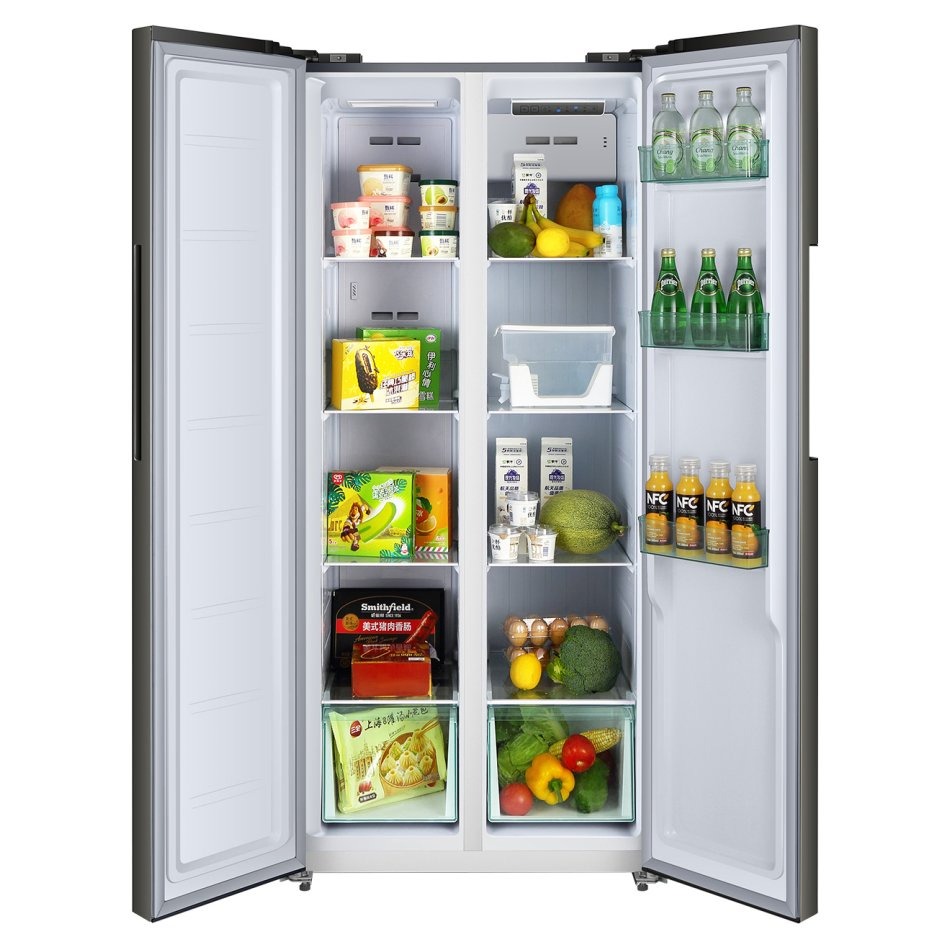
This is one of the cleverest tricks of keeping the refrigerator budget-friendly by developing dishes out of what is available. This will save time on the wastage and lessen the necessity to acquire additional groceries.
A lot of cheap foods can be made out of regular items in the fridge. Proteins You can put eggs, vegetables, cheese, yogurt, and leftover proteins together in any combination imaginable. Basic meals usually are cheaper but they are still very nutritious and delicious.
When cooking lunch, think about cooking a lot so that the next day you can get lunch. The resale of leftovers will take less time and less money and less temptation to buy costly convenient foods.
Multipurpose ingredients are especially useful since they can be used in various types of meals. A yogurt container can turn into a breakfast, a snack, or a component of a sauce. Vegetables may be used in salads, soups, wraps and stir-fries.
The less rigid your ingredients are, the less difficult it will be to have a full stock refrigerator without wasting money.
Balance Nutrition With Affordability
A large grocery budget is an assumption many people make when it comes to healthy eating. As a matter of fact, some of the healthiest foods are also the least expensive.
Eggs are a good source of protein which is also very cheap. Dairy items are sources of calcium and protein and vegetables provide necessary vitamins and minerals. Fruits and vegetables grown in the season can be very nutritious and healthier with reduced prices in comparison to processed ones.
Whole foods should be a priority of a budget-conscious refrigerator. Convenience foods are usually more expensive per serving and might include more sodium, sugar or preservatives, although it saves on preparation time.
Basic foods can be changed into innumerable dishes with a little bit of ingenuity. Eating foods that are rich in nutrients would make the most out of each dollar that is spent in the grocery store.
Superfoods and specialty products are not necessary to eat healthily. Regularly buying cheap food items can help you toward achieving your financial and general health objectives.
Final Thought
Learning How To Stock Your Fridge On A Budget is concerned with learning how to form intelligent habits to make out of every trip to the grocery store. Food costs can be greatly reduced through careful planning, consideration of purchases, storage and innovative preparation of meals without compromising on quality or nutrition.
It does not mean that a low cost refrigerator contains the most inexpensive products. Rather, it includes multi-dietary ingredients that sustain various meals and reduce food wastage. In the long-term, such basic routines may result in significant savings and simplify the process of preparing meals, as well as reducing the level of stress. Through value and not an impulse buying, you will be able to design a refrigerator that fits your lifestyle and budget.
FAQs
What are the best foods to keep in a budget-friendly fridge?
Eggs, milk, yogurt, cheese, carrots, cabbage, cucumbers, and seasonal fruits are excellent choices because they are affordable, nutritious, and versatile.
How often should I restock my refrigerator?
Most households benefit from shopping once a week, which allows for better meal planning and reduces food waste.
Can I eat healthy while staying on a grocery budget?
Yes. Many nutritious foods such as eggs, dairy products, and seasonal vegetables are affordable and provide excellent nutritional value.
Why is meal planning important for saving money?
Meal planning helps you buy only what you need, reduces food waste, and prevents unnecessary spending on impulse purchases.
Are store-brand products worth buying?
In many cases, store-brand products offer similar quality to national brands while costing less, making them a smart budget-friendly option.
How can I make food last longer in my refrigerator?
Proper storage, organized shelves, airtight containers, and regularly checking expiration dates can help keep food fresh for longer.
What is the biggest mistake people make when stocking a fridge on a budget?
One of the most common mistakes is shopping without a plan, which often leads to overspending and wasted food.