
Table of Contents
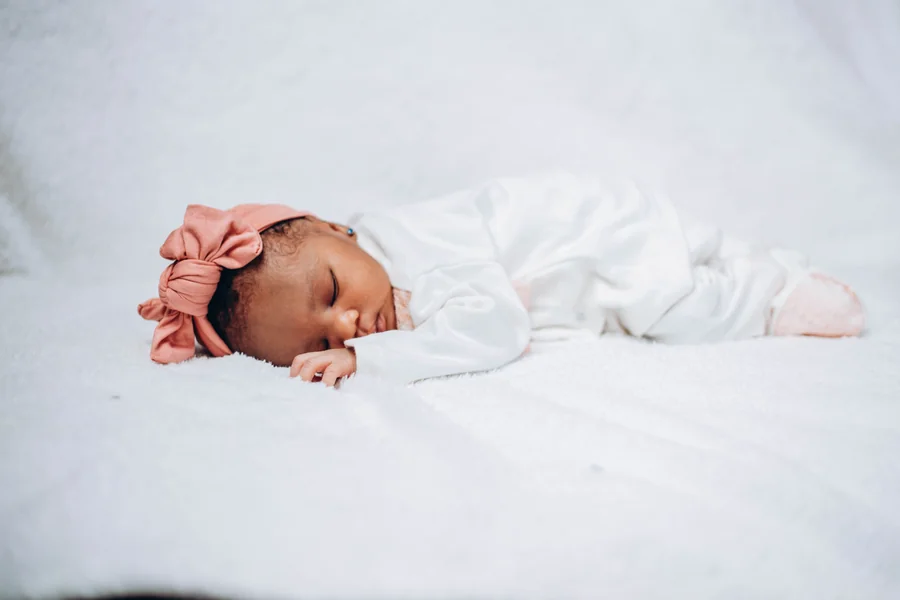
//How To Dress A Baby For Sleep has been considered to be one of the most recurrent inquiries posed by new parents. It might sound as a mere aspect of nighttime, but the clothing that your baby wears during the night may influence comfort, sleep quality, and overall bedtime routines. Infants are yet to master regulating their body temperature, so suitably selected sleep clothes is more important than parents may assume.
Other infants sleep well when they are warm and secure and some babies become restless when they are too hot. It may take a few days to find the correct balance, but once you have the fundamentals young timers you will find bedtime a lot easier.
It is not merely to keep your baby warm. It is concerned with establishing a good sleeping environment where your baby can sleep safely and calmly during the day and night by taking naps and going to sleep at night.
The room temperature, the type of fabric, the time of the year, and the age of your baby can all be factors that contribute to what will work best.
As you get to know the sleeping patterns of your baby, you will start to understand what works better to make them sleep faster and in their comfort through the night.
Why Sleep Clothing Matters for Babies
Infants are sensitive to temperature changes in comparison to adults. Their miniature bodies could either warm or cool faster and this is the reason why what one wears to bed is important.
When a baby is too warm, they can be restless, sweaty or uncomfortable. When they are too cold, this can make them wake up more frequently or difficult to get to sleep.
The sleep clothing is right to keep the pleasant body temperature Nocturnal.
Sleep quality is influenced by comfort as well. Babies also find it easier to sleep when they are relaxed and less frequently.
Simple routines usually form the basis of good sleep habits and picking out appropriate sleepwear becomes a component of the sleep routine.
When the parents know the comfort needs of their baby, they tend to be more confident at night when taking care of them.
Understanding Room Temperature Before Dressing Baby
It is useful to listen to the room before making a decision on sleep clothes.
It seems that a lot of parents take into account only the temperature outside, whereas indoor climate can be much more significant.
Your baby can feel better during their sleep with air conditioning, heating systems, fans, and room insulation.
A comfortable room to an adult could be uncomfortable to a baby due to either warmness or coldness.
Rather than rubbing your hands or feet, rub in the chest or back of the neck of your baby. This usually provides a more accurate reading of a body temperature.
When your baby feels sweaty, flushed or damp, he or she might have too many layers on.
In case the chest feels cold, an additional layer can come in handy.
With the knowledge of room comfort, the clothing is much easier to decide.
Choosing the Best Fabrics for Baby Sleepwear
Fabric could be a huge difference towards your sleeping baby.
Light permeable fabrics tend to be the most appropriate to use at bedtime. One of the most used options would be cotton, as it is soft on sensitive skin and provides the ability to move air freely.
Light fabrics can be used in warmer rooms, whereas a little heavier might be more comfortable during a cold night.
Elastic garments may also assist babies to move freely without feeling confined.
Sleepwear must be soft and flexible and must be long lasting.
Do not wear clothes that are rough, heavy, or excessively warm.
Simple breathable fabrics are often better at reacting with sensitive baby skin.
Mostly the comfort begins with the selection of the clothing that is natural against the skin.
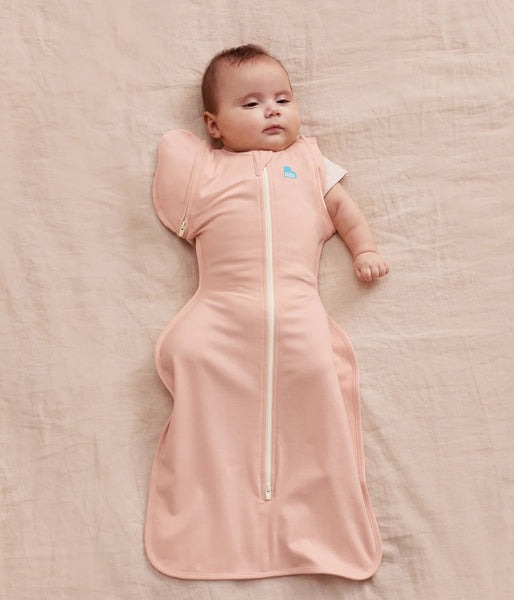
Dressing Baby for Warm Weather Sleep
Layers are not always necessary during warm nights.
Depending on the temperature inside a house, a lightweight cotton bodysuit or a lightweight one piece sleeper might suffice.
Other infants sleep easily in short sleeves baby clothes when the room is warm.
This is aimed at preventing overheating but at the same time keeping your baby comfortable.
During the warmer months, simple clothing will usually be the best.
Babies can find loose bedding enticing but wearable sleep attire can be more comfortable than additional layers.
Keep an eye on symptoms such as sweating, flushed cheeks or restlessness.
These may indicate that your infant is too hot.
It may help to get a warmer and a breathable sleep system to get better sleep in hot seasons.
Dressing Baby for Cooler Weather Sleep
As the weather gets colder, babies tend to be more comfortable when they are wearing an extra layer.
Long sleeve pajamas, footed sleepers or layered cotton clothing can be used to aid in keeping warm at night.
Wearable sleep sacks can also be used by some parents as an extra comfort.
The layering is flexible since it can be changed according to the temperature inside the house.
The aim is not to bundle, but a gentle warmth.
Big clothing may be restrictive to comfort and movement.
A baby that is brought out in a comfortable warm environment tends to sleep better.
Never use hands or feet just to determine the condition of the baby without checking his chest or neck.
Sometimes when the baby is very comfortable, hands can be cold.
Common Mistakes Parents Should Avoid
It is a natural worry of many parents that babies feel cold and as such they often end up over dressing the babies.
A typical error is to add unnecessary layers due to low temperatures experienced by adults.
Babies may require alternative clothing than their grown-ups in the same room.
The other error is wearing sleepwear with the consideration of its appearance and not its comfort.
Chest tightness, coarse seams or dense fabric can disrupt sleep.
Other parents also sleep with hats inside the home that can produce some unwarranted warmth.
Lack of consideration of the room temperature may also result in the choice of clothing that feels bad.
Strauss and easy to wear, breathable, and practical sleepwear tends to have the most successful outcomes.
Sleep patterns of your baby are likely to teach you a lot, which builds confidence.
Final Thought
One of the significant tasks in the development of healthy bedtime habits is Learning How To Dress A Baby For Sleep. The correct attire can help ease, sleep better, and have a smoother nighttime schedule of the baby and parents.
Perfect outfit does not exist in all babies since each kid possesses different comfort levels, sleep patterns and heat requirements.
Listening to the room temperature, type of clothes, seasonal fluctuations and natural cues of your baby usually make the most successful choices.
Parenting can be much easier when you pay attention to little things that help to ensure comfort in everyday life.
You will learn with time and experience, what will make your baby sleep.
FAQs
How many layers should a baby wear to sleep?
It depends on the room temperature, but babies usually need light breathable layers that keep them comfortable.
How can I tell if my baby feels too warm at night?
Sweating, flushed cheeks, or damp skin may be signs that your baby feels too warm.
Should babies wear socks to sleep?
Some babies may wear socks in cooler rooms, but footed pajamas often provide enough warmth.
Can babies sleep in short sleeve clothing?
Yes. In warmer rooms, short sleeve sleepwear may be comfortable for many babies.
Should I use blankets for baby sleep?
Many parents prefer wearable sleep clothing instead of loose blankets for safer and more comfortable sleep.