
Table of Contents
//Trends in hairstyling come and go, but braided protective styles have shown remarkable staying power across generations, cultures, and fashion cycles. What was once viewed primarily as a practical, low-maintenance option has evolved into a genuine style category of its own — one with its own techniques, aesthetics, and even seasonal trends. Understanding why braids have endured, and how to approach them well, is useful whether you're trying them for the first time or you've been getting them installed for years.
What "Protective Styling" Actually Means
At its core, protective styling refers to any style that tucks away the ends of natural hair, reducing daily manipulation, exposure to weather, and friction from clothing or bedding. Braids are one of the most common and effective ways to achieve this, since the style itself keeps hair contained and structured for weeks at a time, allowing natural hair underneath to rest, retain moisture, and grow with minimal breakage.
This practical benefit is a big part of why braided styles have remained popular even as broader fashion trends shift. Unlike styles that require daily heat styling or product-heavy routines, a well-installed braided style genuinely reduces the day-to-day stress placed on natural hair.
The Cultural and Aesthetic Layer
Beyond the practical benefits, braiding carries deep cultural roots, with techniques and patterns that have been passed down for generations and carry significant meaning in many communities. That history is part of what makes the modern popularity of braided styles feel different from a typical passing trend — it's built on genuine tradition and craftsmanship rather than a fleeting aesthetic.
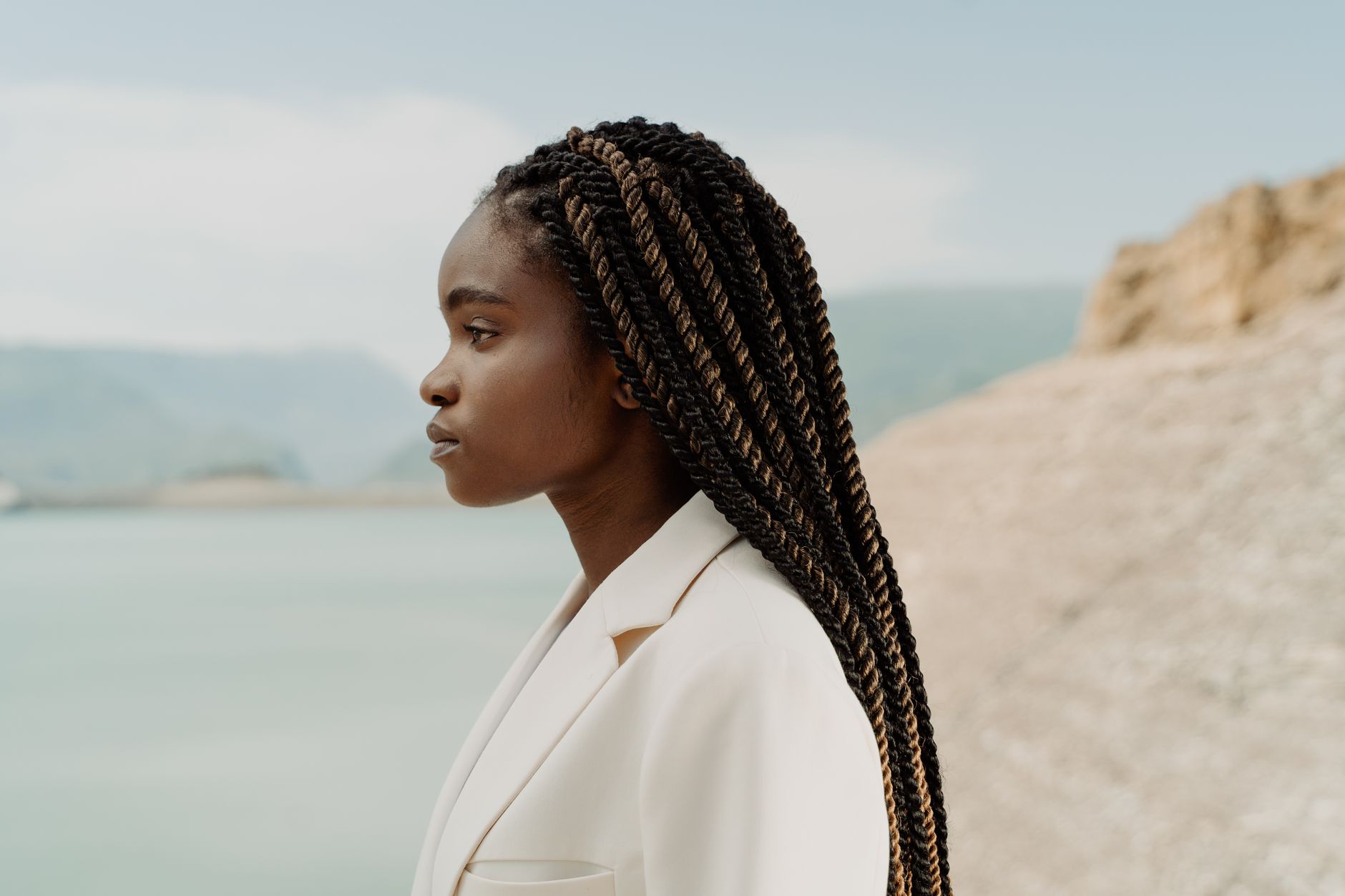
At the same time, the styling side has continued to evolve. What used to be a fairly narrow set of options has expanded into an enormous range of looks: knotless installs that reduce tension at the root, boho styles with loose, curled pieces mixed throughout, jumbo braids for lower-maintenance looks, and micro braids for more intricate, longer-lasting results. This variety is a big reason braids have crossed over from being seen as a purely practical choice to an intentional fashion statement in their own right.
Choosing a Style That Fits Your Life
Not every braided style suits every schedule or hair goal, and thinking through a few practical factors before booking an appointment tends to lead to a better outcome:
Time investment. Larger, chunkier braids install faster and cost less in salon time, while smaller, more intricate styles can take significantly longer but often last longer as well.
Weight and tension tolerance. People with finer or more fragile hair may want to discuss lighter styles or techniques that place less tension on the scalp, since discomfort or excessive pulling can lead to breakage over time.
Season and activity level. Heavier braided styles can feel warm in summer months, while very fine styles may require more frequent touch-ups if you're active or exposed to a lot of moisture and sweat.
How the added hair is sourced and prepared. Since braiding hair sits against the scalp for weeks at a time, its quality has a real effect on comfort — cheaper, poorly processed extensions are more likely to cause itching or shedding than better-prepared alternatives.
A Long-Term Relationship, Not a One-Time Style
One of the more overlooked aspects of protective styling is that it works best as part of an ongoing routine rather than an occasional style choice. People who braid consistently, with reasonable breaks between installs and proper care of both their natural hair and scalp, tend to see the biggest benefits in terms of length retention and overall hair health. Jumping between very different styles and techniques without much of a plan, on the other hand, can undercut some of those benefits.
Why Braids Aren't Going Anywhere
Between the practical protection they offer, the cultural depth behind the technique, and the sheer range of looks now possible, it's not hard to see why braided styles have remained a staple rather than a passing trend. As more attention gets paid to the materials and methods behind a good install — proper tension, quality extensions, and thoughtful maintenance — braids continue to offer something relatively rare in the beauty world: a style that's both deeply rooted in tradition and genuinely practical for modern, everyday life.