

Table of Contents
//Fetal cardiology is a branch of medicine that deals specifically with the examination and treatment of the heart of unborn fetus during pregnancy. Prenatal imaging has allowed more congenital heart diseases to be diagnosed prenatally, providing health care providers and families with the much-needed time to plan the birth and any subsequent medical care needed after birth.
The heart of a baby starts forming very early in pregnancy and during the further development of the fetus, the heart changes quickly. Although the majority of babies end up in having normal hearts, a few can have structural or functioning abnormalities in their hearts to be closely observed. Fetal cardiology involves high-level ultrasound to examine the development of the heart and the normal functioning of the baby even before birth.
Early diagnosis does not necessarily imply that there is a serious problem about it. The fetal heart assessment, in most instances, gives a relief that the heart is developing well in the baby. In cases where a problem is identified, however, the planning can enhance the outcomes and possible treatment choices after birth.
This guide describes the nature of fetal cardiology, when it can be suggested, fetal heart examination technique, and the expectations that the parents may have during the procedure.
What Is Fetal Cardiology?
Fetal cardiology is one of the practices of pediatric cardiology, which is concerned with the diagnosis and management of heart diseases in prenatal babies.
This is mainly to determine the structure, rhythm, and functioning of the fetal heart during pregnancy. The ultrasound technology applied by specialists is extremely detailed in order to check the chambers of the heart, its valves, blood vessels, and blood flow.
Fetal cardiac examination gives a significantly more detailed examination of developing heart as opposed to a regular prenatal ultrasound.
These examinations are usually performed or interpreted by a pediatric cardiologist or a physician with special training in fetal heart imaging.
Fetal cardiology assists in detecting congenital heart diseases, irregular heartbeats, and other heart related diseases which can lead to the baby being unhealthy or otherwise before delivery or after delivery.
Early diagnosis enables health professionals to come up with individualized care plans on how to care about both the pregnancy and delivery of the baby.
This specialized treatment has made a big difference and has helped a number of infants who are born with heart disease.
When Is a Fetal Cardiology Evaluation Recommended?
Fetal cardiology assessment is not needed in all pregnancies.
An enhanced fetal heart study is generally advised in instances where the risk of congenital heart illness is greater or when an issue that might arise is found during the routine prenatal scans.
An abnormal finding of a normal pregnancy ultrasound is one of the usual reasons to refer. The medical worker might suggest that the baby has a more thorough examination in case he/she remarks that something wrong has occurred with the heart of the baby.
Likelihood of referral may also come through a family history of congenital heart disease.
Some maternal health issues include pre-existing diabetes or autoimmune diseases or certain infections during pregnancy, which make the fetus prone to having abnormalities in their heart.
Certain drugs used during pregnancy also could lead to the additional surveillance in case they are known to influence the development of fetus.
In certain cases, multiple pregnancies (twins, triplets) may necessitate closer consideration.
Possible referral to specialist cardiac evaluation other than in cases of AfH can also be due to abnormal fetal heart rhythm or fear of fetal development.
Though these aspects place more importance on close observation, most fetal cardiology assessments end up proving that the heart of the baby is progressing normally.
How a Fetal Echocardiogram Works
The fetal cardiology diagnostic procedure is mainly based on the fetal echocardiogram.
This is a specialized ultrasound technique of producing detailed images of the baby heart devoid of exposing the mother or the baby to radiations.
The test is not painful and is not invasive.
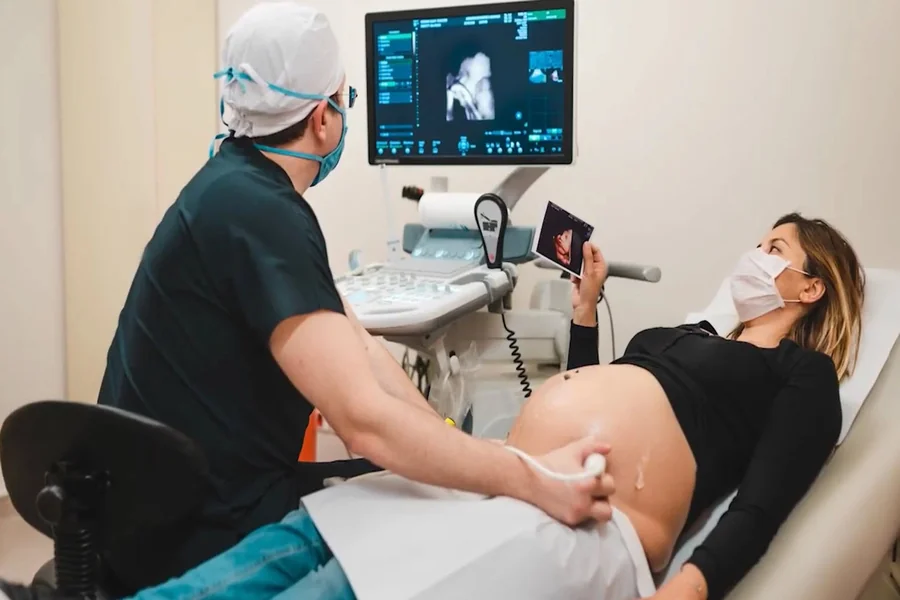
At the appointment, a trained sonographer (or expert) applies ultrasound gel to the mother on the belly and glide a handheld transducer over the skin.
The ultrasound machine will record images at various angles, which will enable the specialist to view the various aspects of the fetal heart separately.
The test generally measures the four chambers of the heart, the great vessels, heart valves, the pumping and blood circulation.
Cardiac Doppler imaging is used to determine the flow of blood through the heart and the circulatory system.
An evaluation of the heart rhythm of the baby is also done with care in order to detect any anomalies.
The process of fetal echocardiogram lasts approximately one hour to thirty minutes, based on the location and sophistication of the baby.
When the images have been reviewed, the specialist talks about the results and gives his/her explanation of the necessity of further follow-up or not.
Conditions That Fetal Cardiology Can Detect
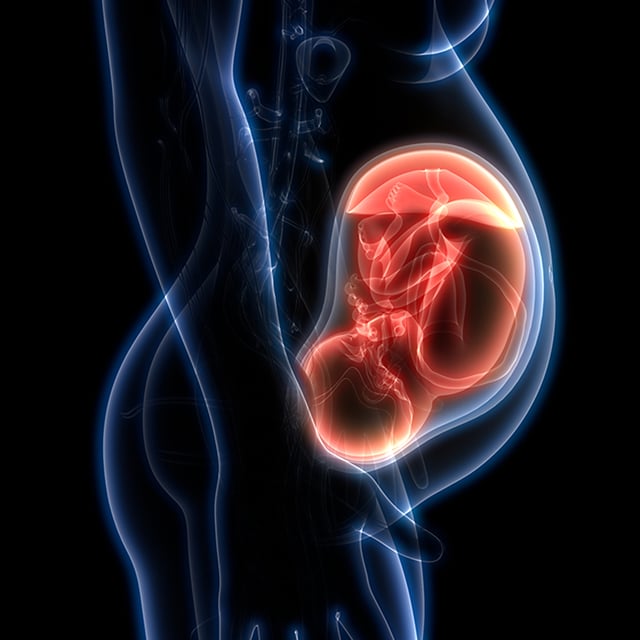
Fetal cardiology is used to diagnose a broad spectrum of congenital and functional heart diseases.
Other infants are confirmed to be having structural heart defects which are related to the abnormalities experienced by the developing heart prior to birth.
These disorders can be related to the heart chambers, valves, great arteries, or great veins.
Certain heart defects can be relatively mild congenital and only require observation when the infant is born.
During infancy, other people might require medication, catheter-based therapy or surgery.
Fetal cardiology can also identify the abnormalities in the heart rhythm (fetal arrhythmias).
There are rhythm disturbances which are transient and then cessate to occur naturally, but there are other types which necessitate close observation or management before birth.
In some other instances, blood flow or the functioning of the heart would have some abnormalities which would reveal other underlying medical conditions that would need further prenatal assessment.
All heart defects are not equal.
The effects of some findings on long-term health of the baby are minimal whereas some have to be handled jointly between obstetricians, pediatric cardiologists, neonatologists as well as the pediatric heart surgeons.
A perfect diagnosis will enable the medical personnel to develop the right treatment plans early in advance before delivery.
Benefits of Early Diagnosis and Prenatal Care
Early planning is considered to be one of the best benefits of fetal cardiology.
Providing the families and people with prenatal knowledge about a heart condition enables them to make wise choices about the management of the pregnancy, the delivery planning and support of the baby.
Certain infants are advantaged by delivery in hospitals that have special units called the neonatal intensive care and pediatric cardiac units.
This guarantees that only expert care is availed upon the births in case they require treatment in time.
Parents also have time to competently learn about the diagnosis, posing questions and learning the possible options of treatment available.
This preparation can usually minimize uncertainty and makes families feel more confident in the rest of the pregnancy.
In a few cases, medications administered in pregnancy could assist to treat some heart rhythm disorders in the fetus.
Frequent follow up check-ups enable specialists to check on the heart of the baby as pregnancy continues and modify the care plan as needed.
With the growth in prenatal diagnosis, the survival rates and long-term outcomes have greatly enhanced the survival rates among many children born with congenital heart disease.
Final Thought
Fetal cardiology is a critical component in the current prenatal morbidity in that it assists health practitioners to assess the developing heart prior to delivery. Advanced imaging methods like fetal echocardiography enable specialists to diagnose numerous heart disorders in infants at an early stage, track fetal heart performance, and make a tailored care plan when required.
Despite the overwhelming feeling of a procatheter when you are called to see a fetus heart, you should bear in mind that there are a lot of checks, which prove that the heart is developing well. In cases of a heart condition being found, early detection will offer precious time to plan ahead and to afford the medical personnel with time to organize specialized care that will offer the best possible solution.
With the ongoing development of prenatal medicine, fetal cardiology is an imperative component of enhancing the health and the wellness of both mothers and babies. Coordinated care, expert monitoring and early assessment can be useful in providing families with the guidance and support that they require during pregnancy and beyond.
FAQs
What is fetal cardiology?
Fetal cardiology is a medical specialty that focuses on diagnosing and monitoring heart conditions in unborn babies during pregnancy.
What is a fetal echocardiogram?
A fetal echocardiogram is a specialized ultrasound that provides detailed images of the baby’s heart to evaluate its structure, function, and blood flow.
Is a fetal heart examination safe?
Yes. Fetal echocardiography uses ultrasound technology and does not involve radiation, making it a safe and non-invasive procedure.
Why would I be referred to a fetal cardiologist?
A referral may occur because of an abnormal prenatal ultrasound, family history of congenital heart disease, maternal medical conditions, or concerns about the baby’s heart rhythm.
Can fetal cardiology detect all heart defects?
Many congenital heart defects can be detected before birth, although some minor conditions may not become apparent until after delivery.
Does a fetal heart diagnosis mean my baby will need surgery?
Not always. Some heart conditions require only monitoring, while others may need medication or surgery after birth. The treatment depends on the specific diagnosis.
How often will follow-up appointments be needed?
The number of follow-up visits depends on the findings. Some pregnancies require only one detailed evaluation, while others benefit from regular monitoring throughout pregnancy.