

Table of Contents
//Strept throat is a widespread bacterial infection that infects the throat and tonsils. It is triggered by Group A Streptococcus bacteria and may result into sore throat, pain during swallowing, fever, and swollen lymph nodes. Strep throat needs other treatment as though there are many sore throats that are caused by a virus, strep throat is a bacterial infection. The earliest diagnosis of the condition and proper medical treatment can assist in minimizing the symptoms, reducing the period of recovery, and decreasing the chances of complications.
Strauss throat can occur in people both young and old and is mostly prevalent among school going kids and teens. Due to its tendency to be spread by respiratory droplets, the bacteria tends to become an epidemic in schools, workplace, as well as in households where individuals are in direct contact.
This pamphlet discusses the symptoms, causes, diagnosis, treatment, prevention measures and practical advice on how to recover safely with strep throat.
Understanding Strept Throat
Strep throat An infection of the throat and tonsils, due to the Group A Streptococcus bacteria. Strep throat usually needs medical intervention as opposed to viral sore throat which, despite passing the test, often goes away on its own, therefore necessitating antibiotics that a healthcare professional prescribes.
It is spread by the entry of the bacteria in the body either via the mouth or the nose. They multiply in the throat, thus, causing discomfort and inflammation, once inside.
Symptoms do not manifest gradually but are usually abrupt. Severe throat pain is observed by many people as soon as a day or two following exposure.
The bacteria are easily transmitted and as a result, an infected individual may transmit the disease to the others without knowing by coughing, sneezing, speaking, exchanging eating instruments and drinking glasses.
Sorp throat is usually straightforward to treat but it has to be diagnosed early since some infections when left untreated can get people at risk of some complications.
Awareness of the mechanism of developing the infection can aid the citizens to be aware of symptoms at a young stage and obtain proper medical attention.
Common Symptoms and Causes
A sudden sore throat which is painful when swallowing is one of the most evident symptoms.
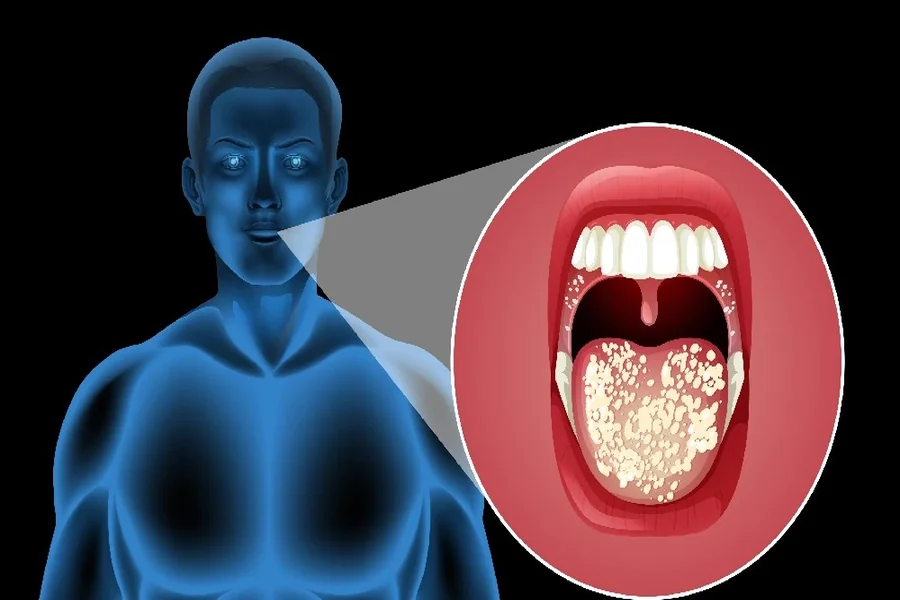
A lot of individuals also experience a fever, neck swollen glands as well as the tonsils that are red and swollen. In other instances, there can be white patches on tonsils or streaks of pus.
Its effects may also include headache, body pains, tiredness, nausea and low appetite especially among children.
As compared to a lot of viral infectious diseases, strep throat does not normally bring a cough or a runny nose. A viral illness is more probable when these symptoms occur.
The disease is transmitted by respiratory droplets emitted during sneezes, coughing, or even speaking by an infected individual.
Contact with contaminated surfaces and contacting the mouth, nose or eye can also be a source of transmission.
Being in cramped spaces like the classroom, daycare, office, and family homes can enhance exposure.
Hygiene is also a key measure in curbing the spread of the bacteria.
How Doctors Diagnose Strep Throat
Since the symptoms of strep throat are almost similar to those associated with viral infection, symptoms should not be used in making the diagnosis.
Normally, a healthcare professional starts by questioning about the symptoms and conducting a physical examination of the throat, neck and tonsils.
Rapid strep test is usually done to ascertain the diagnosis. This is a test that employs a throat swab to ascertain the presence of the Group A Streptococcus bacteria and also usually takes the results within minutes.
In the case of a negative rapid test and clinical suspicion, clinician may want to order a throat culture, particularly in a child. A throat culture is a time-consuming test, but it is said to be very precise.
The diagnosis is essential, as antibiotics can only be effective with the bacterial infections, and it should not be administered in the case of the sore throat with viruses.
Effective testing also contributes to the provision of the required treatment to the patients and minimizes the number of unnecessary antibiotics.
Treatment and Recovery
In case the diagnosis of strep throat is confirmed during the examination, an healthcare professional will most likely prescribe antibiotics. It is important to take the medication as prescribed and to do so to the end even when the symptoms are improved before the medication can work.
The improvement of many individuals starts in a day or two upon the initiation of treatment, yet competency of the course prescribed contributes to complete elimination of the infection and diminishes the risk of complications.
Besides ontology of given medication, supportive care may be used to alleviate discomfort.
Fluids can keep the throat moist, prevent dehydration and hydrates the throat.
Hot soups, natural teas and cold fluids might ease the sore throat.
During the healing process, soft foods, including yogurt, mashed potatoes, oatmeal, and applesauce can be easier to swallow.
Over-the-counter pain medicine/avoiders or fever reducers might be used to treat the symptom depending on their instructions or a doctors recommendation.
Resting is enough to leave the immune system to work on combating the infection.
After suitable treatment, are feeling better, and have taken their clinicians recommendations, most of them can resume schooling or employment.

Preventing Strep Throat and Avoiding Complications
Good hygiene is a good place to start preventing strep throat.
Frequently use soap and water, particularly in the aftermath of coughing, sneezing or even in a crowd.
Cough or sneeze, cover your mouth and nose with a tissue or elbow.
Do not share drinking glasses or utensils, towels or toothbrush with an ill person.
Bacteria can be spread when they come in contact with frequently touched surfaces, so cleaning them on a regular basis in homes, at schools, and at work can help to reduce their spread.
When a person in your home has strep throat, it could help prevent its spread by promoting hand hygiene and preventing close contact where possible.
It is also imperative to have medical assessment with strong indications of strep throat. A diagnosis and right treatment used early can diminish the possibility of complications arising in case of the infection being left untreated.
A healthy active lifestyle with a healthy diet, proper sleep, exercise and proper hydration are all factors to remain healthy by maintaining healthy immune systems.
Final Thought
Strept throat is a typical bacterial disease that may bring on a lot of pain in the throat, fever, and a hard time swallowing, but it is normally treated through early medical treatment. The most effective ways to recover fast and minimize chances of complications are to identify the symptoms, and then give a proper diagnosis and then adhere to the prescribed treatment plan.
Good levels of hygiene such as handwashing regularly and sharing of personal items should always be a part of ways of slowing infections. When you or a relative establish a sore throat which progresses to fever or swollen lymph nodes, then you must consider obtaining medical examination instead of believing that the disease is viral.
Most individuals recover better with proper treatment and rest, and all can resume normal everyday activities within a fairly short period, given proper treatment and adequate sleep.
FAQs
What is strept throat?
Strept throat, commonly called strep throat, is a bacterial infection caused by Group A Streptococcus that affects the throat and tonsils.
How is strep throat different from a regular sore throat?
A regular sore throat is often caused by viruses, while strep throat is caused by bacteria and may require antibiotics if confirmed by testing.
What are the most common symptoms?
Common symptoms include a sudden sore throat, pain when swallowing, fever, swollen lymph nodes, and red or swollen tonsils. Some people may also develop white patches on the tonsils.
How is strep throat diagnosed?
Healthcare professionals usually diagnose it using a rapid strep test or a throat culture after examining the throat.
Is strep throat contagious?
Yes. It spreads through respiratory droplets and close contact with an infected person.
How long does recovery usually take?
Many people begin feeling better within a couple of days after starting appropriate treatment, although completing the full prescribed course of medication is important.
Can strep throat be prevented?
Good hand hygiene, covering coughs and sneezes, avoiding sharing personal items, and seeking prompt medical care for concerning symptoms can help reduce the risk of spreading the infection.