
Table of Contents
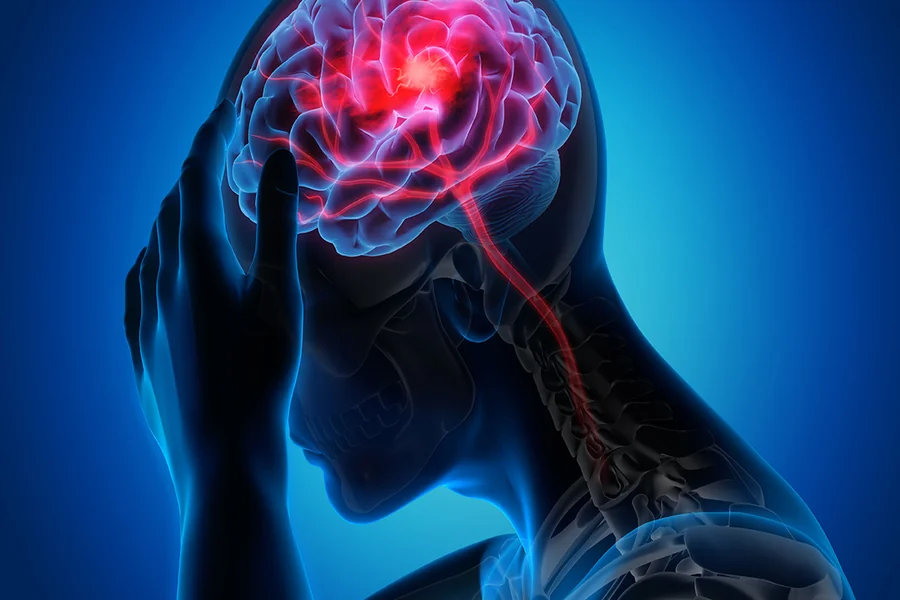
//Have you always wondered how do you know, and you think you had a stroke, this may help save your life or the life of another The occurrence of the stroke occurs when the flow of blood to a part of the brain is blocked or when a blood vessel in the brain ruptures. Brain cells start to die several minutes after the lack of oxygen and nutrients. Since every moment counts, it is important to be aware of the warning signs and obtain immediate medical care which will help to recover and minimize the chances of absolute disability.
The essential fact that many people take into account is that a stroke always would lead to a dramatic set of symptoms but it is not necessarily the case. Other strokes are mild and some may have symptoms that fade quickly. They ought never to be overlooked even in case the signs appear to be improving. Initiated medical assessment is a priority as early intervention can help to restrict brain damage and enhance outcome in the long term.
Here, you will find out the general symptoms of a stroke, the diagnosis that is used by physicians, its causes, and what you will need to do in case you feel that you have had a stroke or a friend has had one.
Recognizing the Warning Signs of a Stroke
A stroke can be a sudden occurrence.
Among the most frequent warning signals should be weakness or even numbness on one side of the body. This could be on the face, arm, or leg and could result in difficulty in making movements or balancing.
Difficulty with speech is another symptom of importance. One can talk slurry, can not find the right words or cannot understand what the other people are talking.
There are also sudden changes in vision. Blurred vision, duplication of vision or impaired vision can occur in one eye, both eyes or both after stroke.
Other individuals can get a sudden feeling of dizziness, or they may have difficulty walking, or the loss of coordination and cannot form where the dizziness happens.
An acute headache that suddenly emerges, and does not have any apparent cause, can also be one of the indications of a stroke, especially when it can be accompanied by other nervous symptoms.
Healthcare specialists tend to employ the acronym of FAST to aid in diagnosing a potential stroke. The most important points to remember are Face, Arm, Speech and Time to call emergency services.
Although the symptoms may be few minutes and disappear, there is still urgent medical care-needed.
Types of Stroke and Their Symptoms
Not all strokes are the same.
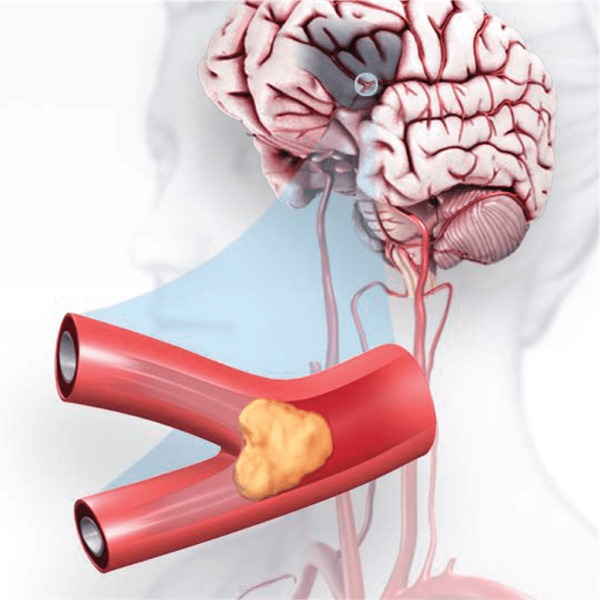
The most prevalent one is an ischemic stroke. It happens when a blood clot clogs an artery, which takes blood to the brain. Symptoms tend to occur without warning and they have to be treated immediately to resume flow of blood.
In case of a hemorrhagic stroke, a blood vessel in the brain breaks, leading to bleeding into the adjacent brain tissue. Such type can be along with a sudden, serious headache, vomiting, confusion, and unconsciousness.
A transient ischemic attack also referred to as mini -stroke is another condition that causes short term conditions resembling a stroke and in most cases ends up disappearing within minutes and hours.
Despite the potential of situation when the symptoms will no longer be observed, transient ischemic attack should be considered a serious sign. It may be a precursor to an increased risk of a subsequent stroke and must be considered in all the cases by a medical specialist.
Due to the variety of stroke types and thus of treatment needed, the correct diagnosis is absolutely crucial.
How Doctors Confirm Whether You Had a Stroke
The initial stage is to identify the symptoms.
There are various ways that doctors can use to establish that a stroke has happened and its type.
The assessment often starts with the physical examination and reviewing the medical history of the patient. Healthcare providers determine muscle strength, speech, vision, coordination, and reflexes.
A diagnosis can only be confirmed by brain imaging. A CT scan or MRI can also enable doctors to ascertain whether the stroke was caused by a non-functioning blood-vessel or bleeding in the brain.
Blood tests can also be done to check the blood sugar level, clotting capacity, cholesterol, and others, which might lead to stroke.
Possible further examinations, like heart monitoring or ultrasound of the neck blood vessels could aid in discovering the underlying cause.
These diagnostic tools enable the doctors to start the most suitable treatment in the shortest time possible.
Risk Factors and Ways to Reduce Your Risk
It has a number of factors that can increase your risk of a stroke.
One of the most frequent risk factors is the high blood pressure that imposes an additional pressure on blood vessels in the long run.
Diabetes may cause the destruction of blood vessels and increase the chances of forming clots.
It increases the amount of plaque that accumulates in the arteries and decreases blood supply to the brain.
Smoking harms the blood vessels and reduces the chances of getting blood clots.
Atrial fibrillation and other heart conditions may also lead to increased stroke risk due to irregular heart rhythms that may permit the formation of blood clots.
Other risk factors are lack of exercise, obesity, over drinking alcohol, and aging.
Though the risk factors have some that cannot be altered, there are several that can be addressed by healthy lifestyle decisions.
Exercise, eating fruits, vegetables, whole grains, and lean proteins, keeping body weight normal, managing blood pressure, and quitting tobacco are all beneficial to reduce the risk of stroke.
This is also significant by having regular medical checkups where health conditions are known before complications set in.
What to Do If You Think You Had a Stroke
In case you observe any symptoms that indicate stroke, turn it into a medical emergency.
Go directly to your local emergency medical services as opposed to trying to drive to the hospital with severe symptoms. The emergency responders are also able to initiate care and make sure that you get to the necessary facility in good time.
Delay is never a good idea.
Even the transient effects can signify a transient ischemic attack, or progressive stroke that demands immediate consideration.
In case a person appears to be experiencing a stroke, make a note of the time when they began to experience the symptoms assuming that it was possible. Such information assist the healthcare providers make decisions on the types of treatments that could be suitable.
Do not hand over food, drinks or medications without the guidance of medical professionals.
Immediate treatment can help minimize brain damage and enhance recovery, and rapid treatment is one of the most crucial things in managing stroke.
Final Thought
The knowledge on how do you know if you had a stroke is necessary since prompt awareness of the warning signs will save lives and minimize long term disability. Sudden weakness, trouble with speech, vision changes, loss of balance or sudden unexplainable headache should never be overlooked.
A stroke is never an emergency. Although symptoms may go away, even temporarily, emergency care is required, as temporary symptoms can indicate that the risk of having a more severe stroke is high.
Being a healthy person, managing the medical conditions like high blood pressure and diabetes and attending regular health checkups can all contribute towards reducing your risk. Above all, keep in mind about the FAST danger signs and address the emergency medical service as soon as you have any doubts about having a stroke. Treatment at an early stage is the most promising opportunity to recover and have a better health in the long term.
FAQs
What are the first signs of a stroke?
Common early signs include sudden facial drooping, arm weakness, speech difficulty, numbness on one side of the body, vision changes, and trouble walking.
Can stroke symptoms go away on their own?
Some symptoms may disappear if you have a transient ischemic attack, but this is still a medical emergency and requires immediate evaluation.
How is a stroke diagnosed?
Doctors typically use a physical examination, brain imaging such as a CT scan or MRI, blood tests, and other evaluations to confirm the diagnosis.
What should I do if I think someone is having a stroke?
Call your local emergency medical services immediately and note the time symptoms started if possible. Do not wait to see if the symptoms improve.
Can younger people have a stroke?
Yes. Although the risk increases with age, strokes can occur in younger adults and, less commonly, in children.
What increases the risk of having a stroke?
High blood pressure, diabetes, high cholesterol, smoking, heart disease, obesity, physical inactivity, and excessive alcohol use are common risk factors.
Can strokes be prevented?
Many strokes can be prevented by managing blood pressure, eating a balanced diet, exercising regularly, avoiding tobacco, limiting alcohol, and following medical advice for existing health conditions.