

Table of Contents
//Hearing heart failure stories could help us remember that a diagnosis does not determine what is to come to a person. Each person has a different experience of heart failure, although most individuals have been empowered by treatment, lifestyle modifications, close families and positive attitude. These narratives are not merely ones of dealing with medical obstacles. They also concern getting used to a new lifestyle, commemorating little wins and having hope even in challenging times.
A condition that could be discussed as long-term is heart failure, which impacts millions of people across the world. Although it involves constant medical attention, there are still several people who are at work, traveling, exercising safely and spending quality time with people who love them. They have shown that they can live a good life when they adhere to the treatment plans and embrace healthy lifestyles.
This article will present motivating stories, life experiences, important lessons and tips that anyone touched by heart failure (whether it is their own or a loved one) can be encouraged to follow.
What Heart Failure Means Beyond the Diagnosis
The diagnosis of heart failures may be disheartening.
The immediate reaction by many is fear, uncertainty, and numerous questions of the unknown about the future. They can be concerned with work, family or whether they will still have the time to do all their hobbies.
Many patients however tell us later that diagnosis signified a new page but not end of a page.
They are taught on how to cope with the symptoms, how to look after their health and make informed decisions of making a lifestyle, gradually with the help of healthcare professionals.
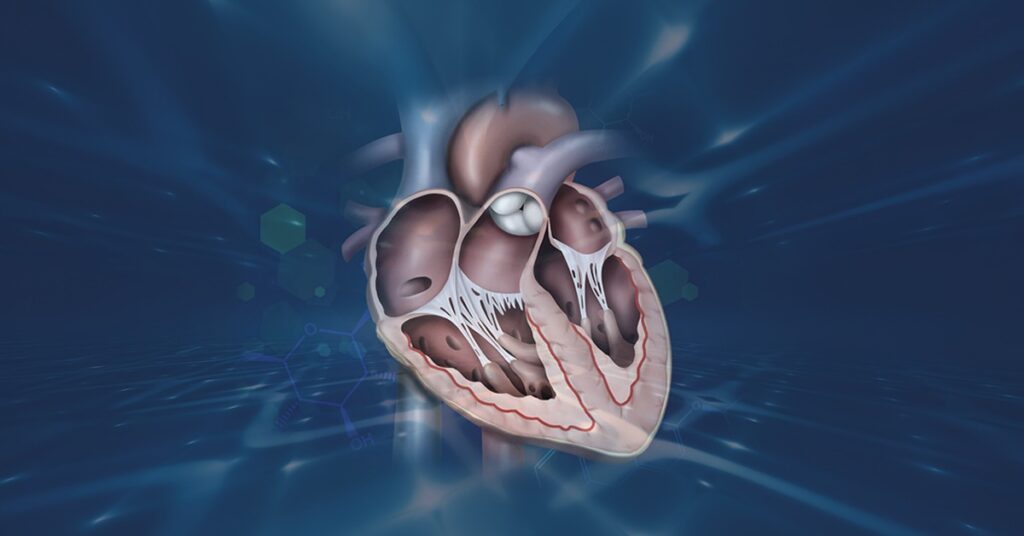
It is not an indication that the heart has stopped working and this is called heart failure. Rather it indicates that the heart is no longer pumping the blood effectively as it ought to be.
The use of modern treatments, medications, and frequent medical check-ups have greatly enhanced the future of many patients.
Education on condition can actually alleviate the fear and aid the person to build back confidence.
One of the most valuable tools in the process of more successful health development is knowledge.
Stories of Strength and Positive Change
Surprising symptoms form the backdrop of many stories of heart failure.
Other individuals experience abnormal tiredness when walking up the stairs. Other people may have shortness of breath, swelling in their legs or could not perform their daily tasks which they previously found simple to do.
Once they are medically examined, they are diagnosed and this changes their attitude towards health.
One similarity in the majority of patients is that they need to embrace assistance.
The family members should be also considered as good collaborators who can be helpful in attending medical appointments, cooking healthier food, or promoting physical activity.
Others explain how the confidence was slowly recovered by minor day to day gains.
Taking a few bits of a walk daily ended up being a walk through the block.
A combination of simple dietary modifications served to decrease the symptoms and boost energy levels in general.
People also talk a lot about getting emotional strength with support groups, the counseling sessions, or even discussing with other people with the same condition.
Despite the uniqueness of each experience, quite often resilience is the only trait that characterizes these personal travel.
Lifestyle Changes That Make a Difference
Among the most effective teachings that can be made out of the stories of heart failure is the fact that slight changes in our lifestyle will make a difference in the long run.
Eating well can be a priority.
With the help of healthcare professionals, many patients minimize the number of extra sodium and increase the intake of fruits, vegetables, whole grains, and the amount of lean protein.
Consistent exercise also is a significant factor when it is recommended by a medical professional.
Most people gain endurance with long walks, gentle stretching or classes of supervised cardiac rehabilitation.
Another vital routine is to take drugs precisely as advised.
Reminders and pill planning devices, or apps on smartphones are used by many patients to help keep up with treatment.
Daily weighing can aid in early detection of fluid retention and subsequently immediate communication with the caregivers in case of need.
The stress management also comes into consideration.
Other activities like relaxation, leisure activities, socializing with loved ones and engaging in pleasant daily activities help to improve the feeling.
Such regular practices tend to make patients have a better quality life.
The Importance of Family and Community Support
There are few individuals who can handle heart failure on their own.
Members of the family usually emerge as a vital source of supports along the way.
Such straightforward tasks like taking loved ones to their appointment, making healthy food, or taking part in daily walks build the positive emotional support.
Friends are also significant.
Routine phone calls, visits, or requests to join social gathering are valued by many patients and help sustain the feeling of normalcy to life.
Another valuable source of connection is the support groups.
Getting to know people with whom one can empathize makes it less taxing to feel isolated and establish avenues of sharing tips and motivation.
Teams in healthcare play the same role.
Physical therapists, cardiac rehabilitation specialists, and doctors, pharmacists, dietitians, and nurses collaborate to direct the treatment process and provide answers.
Often, successful management is a product of this concerted action and not the effort of an individual.
Our hearts are often tied together through the presence of strong support systems in most stories of inspiration in the realm of heart failure.
Finding Hope Through Everyday Progress
The most obvious thing that heart failure tales have taught is that sometimes the good things that happen take time.
Most individuals anticipate drastic changes as soon as they start getting treated.
Rather, they find that permanence of change is through routine everyday practices.
You can walk a bit further than the previous week and it will be a significant accomplishment.
The more one can prepare healthier meals, the more it becomes easier.
Training on how to identify the symptoms early instills confidence and promotes early medical attention.
People also tend to have a clearer appreciation of the ordinary moments.
Family time, hobbies, traveling, volunteering and community activities tend to acquire a new significance.
Others turn out to be advocates and others become educated in health affairs by them where they will encourage others to take in a check-up and healthy living.
Their experiences motivate their friends and family to seek more into their well-being.
Despite these issues, there is an indication that a lot of individuals feel better about themselves emotionally due to the worldview they have acquired throughout their experience.
Hope is built by gradual advancement not by excellence.
Final Thought
When heart failure stories are being read, we are made aware that getting a diagnosis is not the whole of a life. Though heart failure demands constant medical attention and considerate lifestyle changes, millions of people are still living healthy, active, and happy meaningful life. The experiences they have had prove the importance of early diagnosis, regular treatment, healthy living, and good family, friends, and medical care.
All journeys are not the same and also there might be some losses as the way goes. Nevertheless, numerous patients report that when the symptom management, as well as self-esteem, gets improved on a very small daily basis, the gradual change turns out to be significantly beneficial one in the greater context, leading to the birth of a renewed interest in all small things of life.
When you or someone close to you are in heart failure, you should keep in mind that sound medical advice, self-care, and emotional support can play a great part in your life. Resilience stories keep us hopeful and help us remember with time that we can achieve progress, day by day.
FAQs
What are heart failure stories?
Heart failure stories are personal experiences shared by individuals living with heart failure, describing their diagnosis, treatment, lifestyle changes, and daily life.
Can people live well with heart failure?
Yes. Many people manage heart failure successfully through medical treatment, healthy habits, regular monitoring, and ongoing support from healthcare professionals.
What lifestyle changes are common after a heart failure diagnosis?
Common changes include following a heart-healthy diet, reducing sodium intake, staying physically active as recommended by a healthcare provider, taking medications consistently, and monitoring symptoms.
Why are heart failure stories helpful?
They provide encouragement, practical advice, emotional support, and hope for individuals and families facing similar experiences.
Can exercise help people with heart failure?
For many people, carefully supervised physical activity approved by a healthcare professional can improve endurance, strength, and overall quality of life.
How important is family support?
Family support often plays a major role by helping with healthy routines, attending medical appointments, and providing emotional encouragement.
Should heart failure symptoms always be discussed with a doctor?
Yes. Any new or worsening symptoms should be discussed with a qualified healthcare professional so they can determine the appropriate evaluation and treatment.